
Title: Yaaba (“Grandmother”)
Director: Idrissa Ouédraogo
Year of Release: 1989
Language: Mooré
Run time: 83 minutes.
“…that’s the first time someone has called me ‘grandmother’, and that makes me very happy.”
Every country in Africa has made its contribution to the promotion of the continent’s cinema in one way or the other, but very few can claim to have had as much impact as Burkina Faso. The Panafrican Film and Television Festival of Ouagadougou (FESPACO) and the Filmmakers Square (La Place des Cinéastes) reflect the nations commitment to African cinema, but its biggest contribution is undoubtedly the quality of filmmakers that it has produced.
Idrissa Ouédraogo stands out among the many talents of cinema with which the country has blessed the continent, and he was already well known within Africa by the time he announced himself to the international community with the release of his first feature film Yam Daabo in 1987. His documentary, Issa le Tisserand (1985) won him the award for best documentary at the 9th edition of FESPACO and prior to this, he had won the FESPACO award for best short film in 1981 for Poko, which he made as a graduation film on completion of his course at the now defunct African Institute of Cinematographic Studies.
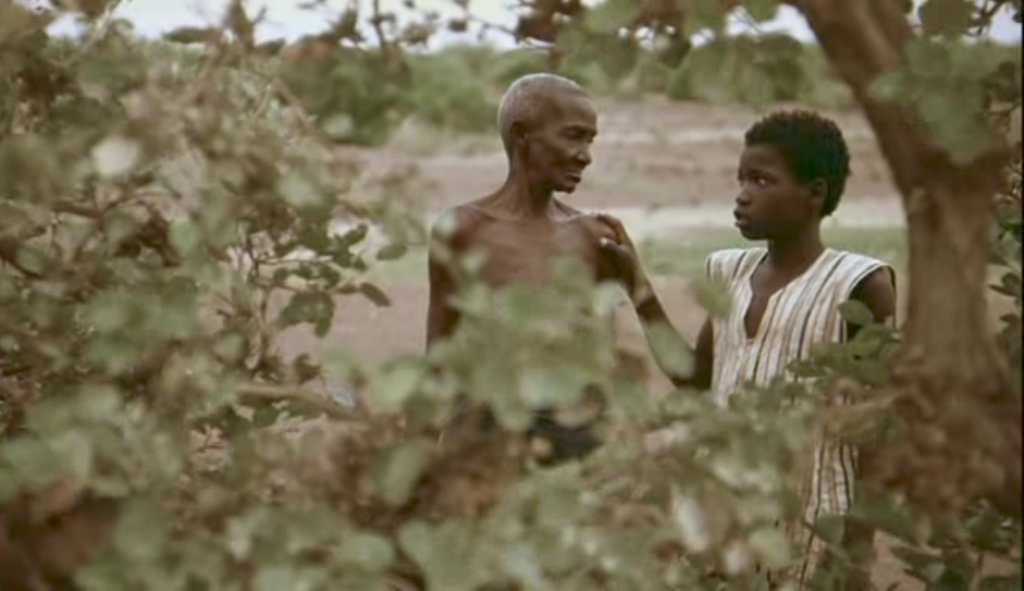
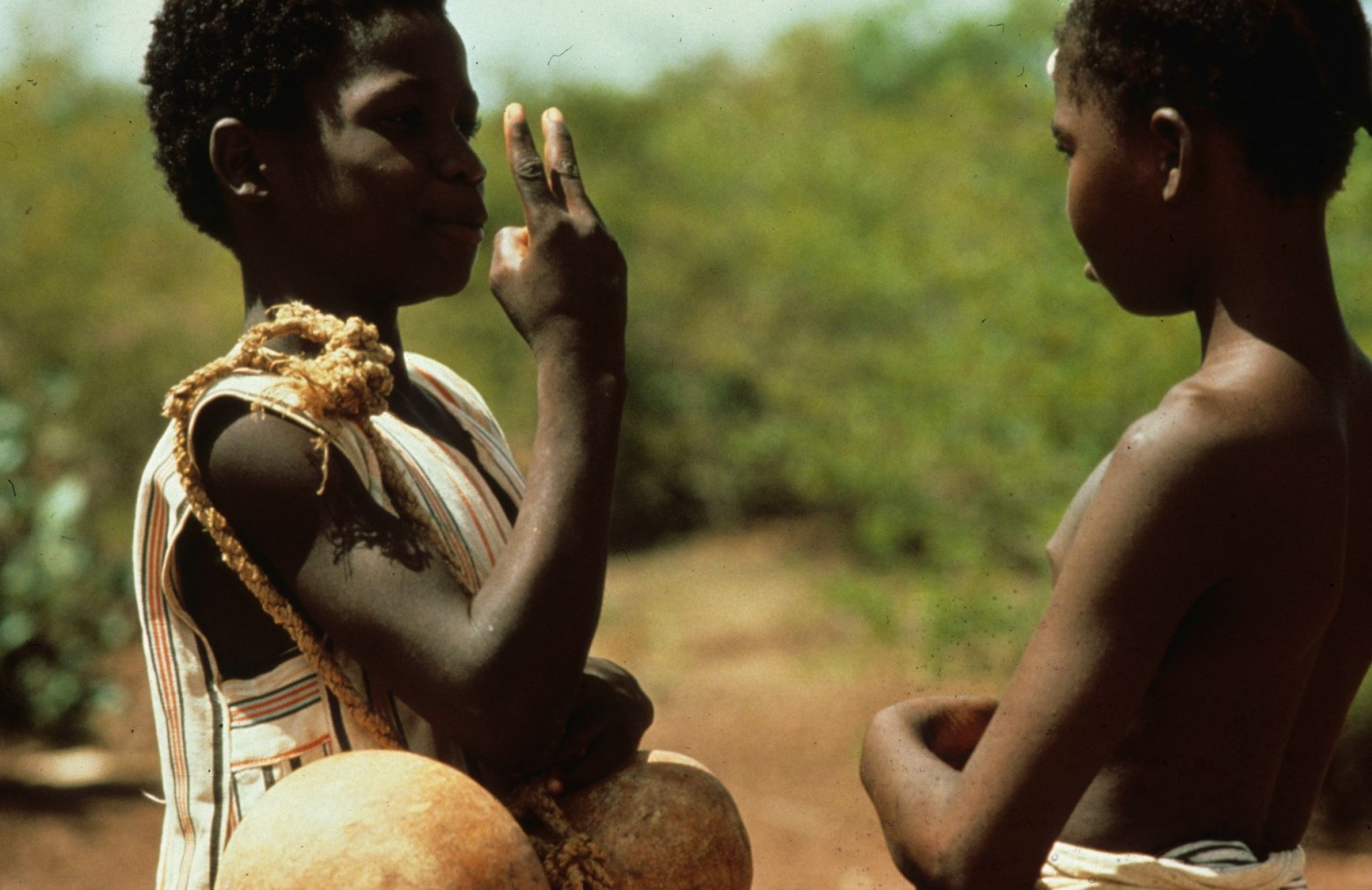
Yaaba, Ouédraogo’s second feature, explores a small Burkinabe village through the lens of Bila, a troublesome young villager played brilliantly by Noufou Ouédraogo(no relations). Bila befriends an old woman who he fondly calls Yaaba (grandmother). Yaaba is ostracized by the entire village for allegedly being a witch, but thanks to Bila’s troublesome nature, he ignores these claims and carries on with this new found friendship. Through this unlikely alliance, we see that Bila is as delicate and caring as he is troublesome, and the lessons he learns from Yaaba are reflected in the subtle changes in his interactions with the other villagers. Bila’s cousin and sidekick, Nopoko, played by the equally brilliant Roukietou Barry, joins in this friendship, but when she falls ill, the villagers immediately put the blame on Yaaba. With the knowledge that the villagers intend to punish Yaaba for this, Bila warns her and helps her escape just before her hut is burnt. Yaaba eventually helps Bila obtain medicine to cure Nopoko’s illness, and although Nopoko finally recovers, the entire episode comes with devastating consequences for Yaaba.
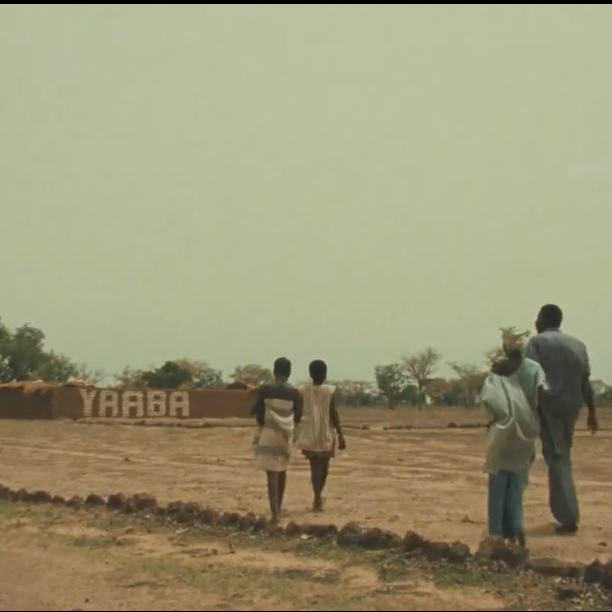
The setting provided by Ouahigouya, a beautiful town in the northern part of Burkina Faso, gives a simple life to the story, but what seems to stand out the most is the quality of performances across the film. Bila and Nopoko’s carefree adolescence juxtaposes Yaaba’s quiet and isolated elderliness, but the picture painted is not one of completely different characters at opposite stages of life, but of the comfort, companionship, and lessons that every human can provide and receive regardless of individual qualifying factors.
Noufou Ouédraogo and Roukietou Barry would go on to appear in subsequent Ouédraogo films, including Karim Et Sala (1991) (in which they played leading roles once again), but very little can be found about Fatimata Sanga, the actress who plays the eponymous character with such a calm perfection that one doesn’t mind remembering her solely as Yaaba. Apart from the leading trio, the performances of the legendary Rasmane Ouédraogo (a frequent collaborator with the director) and Assita Ouédraogo (more famous for her role in La Promesse (1996) by the Dardenne brothers, a film in which Rasmane also appears), as a drunken (Rasmane) and adulterous (Assita) couple is worthy of high praise, and the moments that they appear on screen remain some of the most memorable in the film.
It is impossible to rave about the performances in the film without praising Ouédraogo’s direction. As has been noted earlier, the director’s talent was never in doubt (as evidenced by his numerous awards even before his first feature film was released), and like many of the early African directors, he studied in the former Soviet Union and even went on to graduate from La Fémis (L’Institut des Hautes Études Cinématographiques, as it was known then) in Paris. He went on to win numerous awards for his works, with Yaaba eventually sharing the FIPRESCI prize at Cannes with Steven Soderbergh’s Palme d’Or winner Sex, Lies, and Videotapes (1989).
In my opinion, however, the highest praise given to Ouédraogo’s work on Yaaba was the fact that Djibril Diop Mambéty, having taken an extended hiatus after the release and success of his masterpiece, Touki Bouki (1973), retuned behind the camera to document the creation of the film. Parlons Grand-mère (1989), which translates to ‘Let’s Talk Grandmother’, follows the cast and crew during the production of Yaaba, and the short documentary provides a heartfelt glimpse into the process behind making the film, with Mambéty providing a glimpse into the humorous and unique realities of African filmmaking through his raw imagery and eerily toned voiceovers.
Ouédraogo made more films after Yaaba, but the many challenges (financial, especially) of producing films in Africa saw him focus majorly on television productions at the later stages of his career. Ouédraogo died in 2018, but he remains one of the most relevant directors of African cinema. Yaaba is available on Filmingo, and if you have not seen it yet, we urge you to!
Here is the YouTube link to Mambéty’s Parlons Grand-mère.
Feel free to share your thoughts about the film in the comment section.


Amazing read! Now I need to figure out what happened after this “Nopoko finally recovers, the entire episode comes with devastating consequences for Yaaba” because the suspense is killing. Once again, nice write up