
By Youssouf Bamba
Founder of PFA Cinéma Africain
Cinema is more than entertainment; it is a mirror reflecting a society’s soul, history, and evolving identity. For decades, African filmmakers have captured the continent’s triumphs, struggles, and everyday beauties on celluloid. Masterpieces from pioneering eras; stretching from the post-independence golden ages of West African cinema to the vibrant home-video booms of the 1990s and 2000s—laid the structural foundation for how African stories are told.
Yet, as the physical mediums of film canisters degrade and local celluloid projection theaters fade into memory, a quiet crisis has emerged: the rapid disappearance of African cinema heritage from public spaces. For the younger digital generation, the names of historic directors and foundational films risk becoming footnotes in academic textbooks rather than living cultural experiences.
It was from this urgent need for preservation that PFA Cinéma Africain was born. What started as a passionate endeavor to archive and celebrate classic African cinema has evolved into a viral digital community spanning YouTube, TikTok, and Facebook. By leveraging the fast-paced, highly accessible nature of short-form digital media, we are discovering that the youth are not indifferent to their cinematic history, they simply needed a modern gateway to access it.
The Threat of Cultural Amnesia
To appreciate the necessity of digital archiving, one must first understand the vulnerability of African cinematic history. Unlike Western film industries, which benefited from institutional archives and digital restoration studios early on, much of Africa’s early cinema heritage faces severe preservation hurdles. Many master tapes have been lost to climate degradation, poor storage facilities, or political transitions.
Furthermore, distribution networks have fundamentally shifted. Traditional cinema halls that once served as communal hubs for film appreciation have largely been replaced by international streaming platforms or modern multiplexes. While these platforms offer immense global reach for contemporary Nollywood or blockbuster releases, they rarely catalog the classic, foundational films that shaped the industry. When a society loses touch with its cinematic foundations, it experiences a form of cultural amnesia. Young, aspiring filmmakers lose access to the visual language of their ancestors, and audiences lose the historical context of their own stories. PFA Cinéma Africain was created to counter this drift, transforming the internet into a decentralized, borderless museum for African film history.
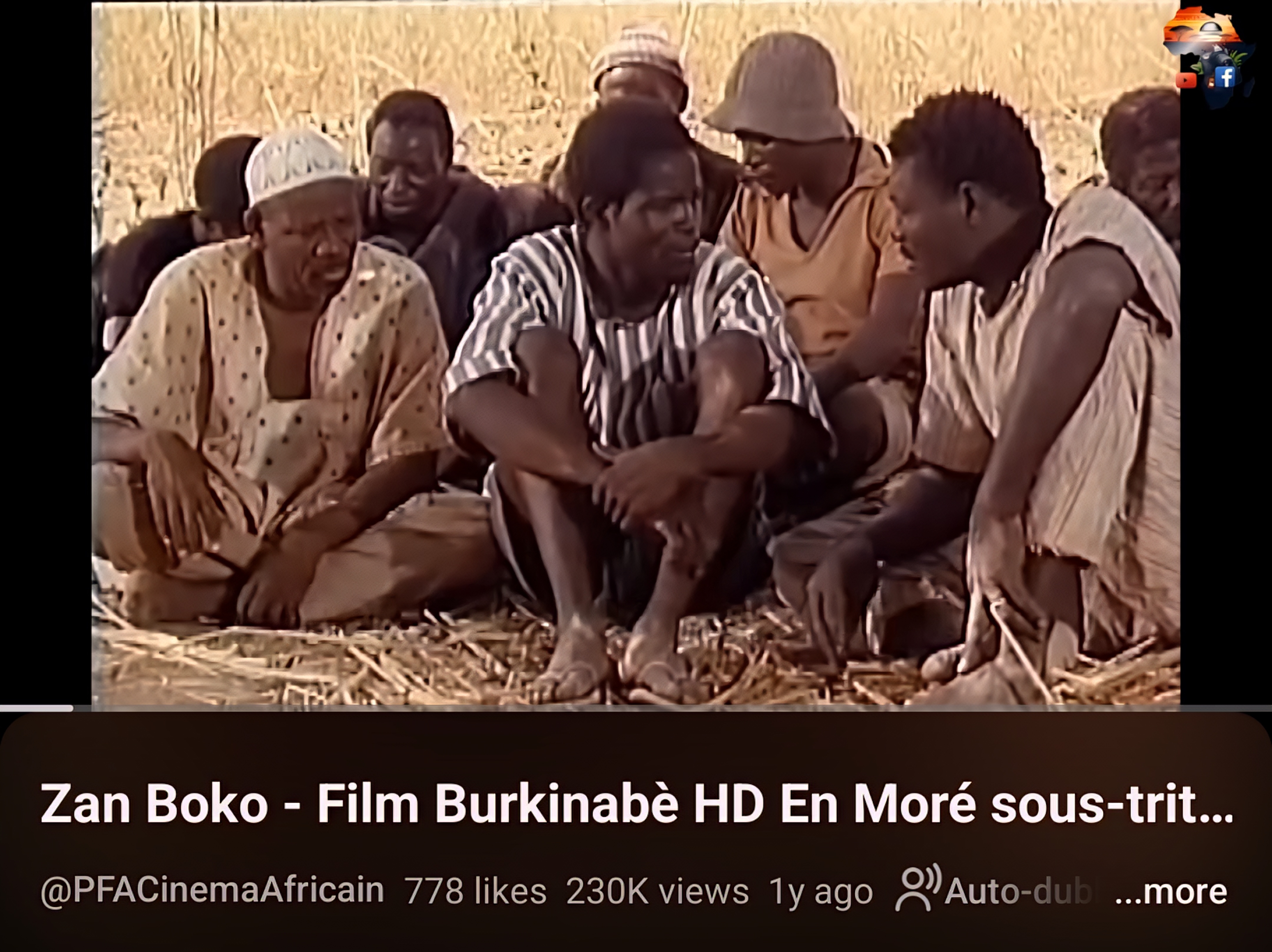
Bridging the Gap Through Short-Form Media
When we launched our platforms, conventional media wisdom suggested that internet audiences, particularly Gen Z and Millennials, had short attention spans and preferred fast, hyper-modern content. There was a prevailing assumption that vintage, black-and-white cinematic masterpieces or retro 1990s dramas would fail to capture the interest of a generation raised on smartphone algorithms.
Our analytics quickly proved those assumptions completely wrong. By curating specific, emotionally resonant snippets, restoring video clarity, and presenting forgotten film gems in bite-sized formats, our content went viral. Snippets of classic dialogue, powerful thematic scenes, and vintage aesthetics began generating millions of views and spark furious discussions in the comment sections.
The success of PFA Cinéma Africain proves that short-form digital media is not degrading attention spans; rather, it serves as an algorithmic billboard. A 60-second clip on TikTok or a YouTube Short act as a cultural spark. It hooks a viewer’s curiosity, prompts them to ask, “What movie is this?” or “Where can I watch the full version?”, and drives them down a rabbit hole of historical discovery. We are not replacing the traditional cinematic experience; we are using modern tools to rebuild the audience for it.
Cultivating a Global, Multilingual Community
One of the most rewarding aspects of this project has been observing the demographic and geographic breakdown of our community. The desire to reconnect with African cinematic roots crosses borders and languages. From the streets of Abidjan and Dakar to diaspora communities in Paris, London, and New York, cinema acts as a universal bridge.
By utilizing platforms like YouTube and Facebook alongside TikTok, we cater to a diverse ecosystem of cinema enthusiasts. In our comment sections, a beautiful intergenerational dialogue takes place. Older viewers leave comments filled with nostalgia, reminiscing about the first time they saw a featured film in a local theater decades ago. Meanwhile, younger viewers reply expressing awe, completely unaware that such high-caliber filmmaking existed in their country’s history. This digital preservation project also highlights the shared visual heritage of the continent. Whether showcasing the biting social satires of Francophone West Africa, the intense emotional dramas of early Anglophone cinema, or the unique storytelling rhythms of North African film, our platform showcases the immense diversity of the African continent under a singular, celebratory banner.
The Path Forward: From Digital Views to Physical Screenings
While achieving viral milestones and building a community of thousands of dedicated followers is a massive achievement, digital preservation cannot exist solely in a vacuum. The ultimate goal of PFA Cinéma Africain is to translate online enthusiasm into offline, real-world cultural preservation.
True cinema appreciation is a communal event. The collective gasps, laughs, and tears shared in a dark room in front of a massive screen cannot be perfectly replicated on a smartphone. Therefore, the next logical evolution for our platform involves transitioning from digital archiving into physical, curated community screenings and educational collaborations.
By partnering with international cultural platforms, local arts collectives, and dedicated film organizations, we aim to bring these restored classic films back to physical screens on the continent and beyond. Organizing joint screenings allows us to pair the viral marketing power of our digital platforms with the deep, transformative impact of community storytelling.

Conclusion: Saving the Past to Inspire the Future
The preservation of African cinema heritage is a collective responsibility that requires deliberate connections, creative modern strategies, and a passion for storytelling. We cannot afford to let the works of our cinematic pioneers’ fade into obscurity.
Through PFA Cinéma Africain, we have seen firsthand that the digital landscape holds the keys to cultural revival. By respecting the past but utilizing the communication tools of the present, we can ensure that classic African cinema remains vibrant, accessible, and deeply influential for generations to come. The screens may have gotten smaller, but the stories remain as grand, powerful, and necessary as ever.

